In today’s digital world, businesses need smart ways to promote their products and services. Traditional marketing methods like newspapers, posters, and TV ads cost a lot of money and do not always give clear results. This is where performance marketing becomes very useful. Performance marketing is a modern type of digital marketing where businesses pay only when they get results.
This article explains how performance marketing works and why it is important for businesses, especially new and growing ones.
What Is Performance Marketing?
Performance marketing is a type of online marketing where results are measured clearly. Businesses pay for specific actions like clicks, leads, app installs, or sales instead of paying just to show ads.
For example, if a business runs an online ad and someone clicks on it or buys a product, only then the business pays. This makes performance marketing different from traditional marketing, where payment is made even if no one responds.
In simple words, performance marketing focuses on results, not promises.
How Performance Marketing Works
Performance marketing works in a step-by-step process. Each step is important to get the best results.
1.Setting Clear Goals
The first step in performance marketing is setting clear goals. Businesses decide what they want to achieve. The goal could be:
More website visitors
More leads
More sales
More app downloads
Clear goals help marketers plan better strategies and track success.
2.Choosing the Right Platforms
Performance marketing uses different digital platforms to run ads. Some popular platforms include:
Google Ads
Facebook and Instagram Ads
YouTube Ads
Affiliate marketing platforms
Each platform works differently and is chosen based on the business goals and target audience.
3.Targeting the Right Audience
One of the biggest advantages of performance marketing is audience targeting. Businesses can show ads to people based on:
Age
Location
Interests
Online behavior
For example, if a business sells sports shoes, ads can be shown to people who search for fitness products. This increases the chances of getting customers.
4.Creating Engaging Ads
After choosing the platform, marketers create attractive ads. These ads can be:
Text ads
Image ads
Video ads
Good ads are simple, clear, and focus on solving customer problems. Strong ads help get more clicks and conversions.
5.Tracking Performance
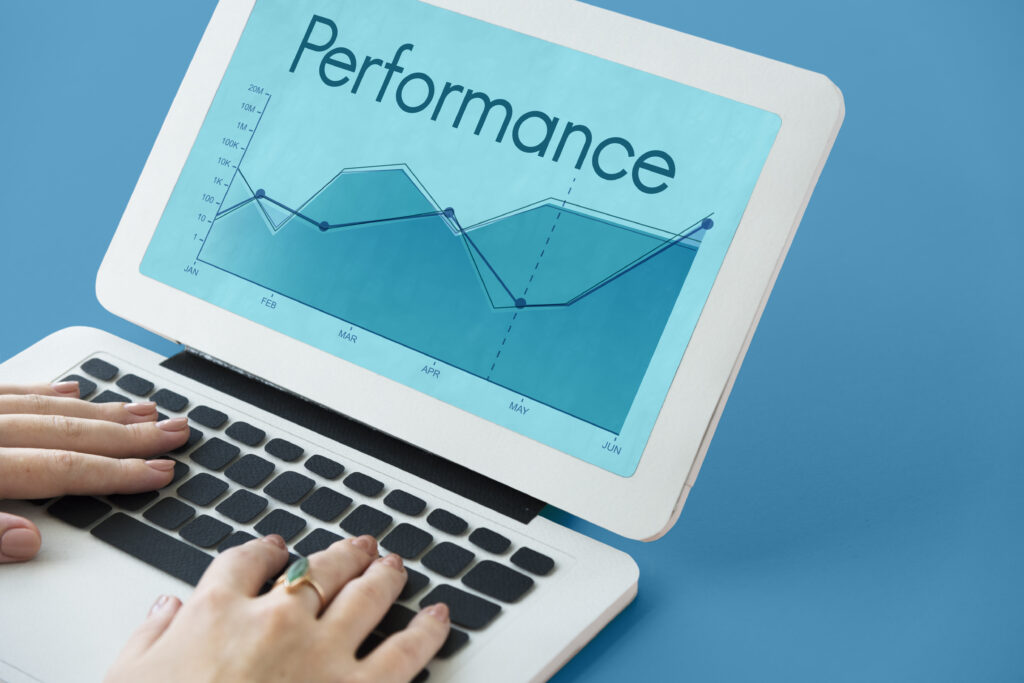
Tracking is the heart of performance marketing. Tools like Google Analytics and ad dashboards show:
Number of clicks
Cost per click
Number of leads
Sales made
This data helps businesses understand what is working and what is not.
6.Optimizing Campaigns
Based on the data, marketers improve the ads. They may change:
Ad headlines
Images or videos
Target audience
Budget
This process is called optimization. It helps improve results and reduce costs over time.
7.Paying for Results
In performance marketing, businesses pay only when a desired action happens. This could be:
Cost per click (CPC)
Cost per lead (CPL)
Cost per sale (CPA)
This payment model makes performance marketing safe and budget-friendly.
Understanding how performance marketing works helps businesses grow in a smart and controlled way. Instead of spending money without knowing the results, performance marketing focuses on clear actions like clicks, leads, and sales. When businesses understand how performance marketing works, they can choose the right platforms, target the right audience, and control their marketing budget better. This approach allows businesses to track every step of the customer journey, which clearly shows how performance marketing works in real time. By learning how performance marketing works, businesses can improve their ads, reduce wasted spending, and achieve better growth results in today’s digital world.
Why Performance Marketing Is Important for Businesses
Performance marketing is important because it helps businesses grow in a smart and controlled way.
1.Gives Measurable Results
Unlike traditional marketing, performance marketing gives clear numbers. Businesses can see exactly how much money they spent and what they got in return.
This helps businesses calculate return on investment (ROI) and make better decisions.
2.Saves Marketing Budget
Since businesses pay only for results, there is less waste of money. Even small businesses with limited budgets can run campaigns and get results.
This makes performance marketing ideal for startups and growing businesses.
3.Helps Reach the Right Customers
Performance marketing shows ads only to people who are interested. This increases the chances of sales and leads.
Targeted marketing helps businesses avoid showing ads to people who are not interested.
4.Improves Business Growth Speed
Performance marketing can bring quick results. Ads can start generating traffic and leads within hours.
This fast response helps businesses grow faster compared to slow traditional methods.
5.Builds Strong Marketing Strategy
The data collected from performance marketing helps businesses understand customer behavior. Businesses learn:
What customers like
Which ads perform better
Which platforms give the best results
This information helps in building strong long-term marketing strategies.
6.Helps Small Businesses Compete
Performance marketing allows small businesses to compete with big brands. With smart targeting and good content, even a small business can attract customers.
Creativity and strategy matter more than big budgets in performance marketing.
7.Flexible and Scalable
Performance marketing campaigns are flexible. Businesses can:
Increase budget if ads perform well
Pause ads that are not working
Test new ideas easily
This flexibility helps businesses grow step by step without risk.
What Is Included in Performance Marketing?
Performance marketing includes different strategies and channels such as:
Search engine marketing
Social media advertising
Affiliate marketing
Influencer-based performance campaigns
Conversion rate optimization
All these methods focus on performance and results.
How Businesses Can Start Performance Marketing
To start performance marketing, businesses should:
Define clear goals
Understand their target audience
Choose the right platforms
Create simple and clear ads
Track and improve campaigns regularly
Working with a performance marketing agency can also help businesses get better results faster.
Conclusion
Performance marketing is one of the most powerful tools in digital marketing today. It works by focusing on real actions like clicks, leads, and sales. Businesses pay only for results, which makes it cost-effective and reliable.
For businesses of all sizes, performance marketing helps reach the right people, save money, and grow faster. In a competitive digital world, performance marketing is not just an option—it is a necessity for business success.
People also read: Affordable Digital Marketing Solutions for Startups